The High Cost of Lowballing: Recruiting and Retaining Top Talent

Posted by admin on March 03, 2025
Articles, Workplace / No Comments

When Mark walked into his final interview, he was confident. He had done his research, knew his worth, and had a solid track record of success in his field. When the hiring manager asked about salary expectations, Mark stated his number, fair, competitive, and backed by market data. The company, however, countered with an offer 15% lower. They assured him that the organization was growing, that there would be opportunities for advancement, and that he was an integral part of their long-term vision. Wanting to move forward and believing in the company’s mission, Mark accepted.

At first, Mark gave his best effort. He worked late, contributed ideas, and helped solve complex problems. But as the months went on, dissatisfaction crept in. He saw new hires being offered higher salaries, realized his contributions weren’t fully appreciated, and felt disconnected from leadership. His motivation dwindled, and eventually, he left for a competitor willing to pay him what he had initially asked for. The company lost a promising employee, and the cost of replacing him far exceeded what they had saved by underpaying him in the first place.

Mark’s story is all too common. Many organizations fail to recognize that recruiting top talent is only half the battle, the real challenge lies in retaining them. Here’s how companies can build a recruitment and retention strategy that attracts and keeps the best employees.

Pay People What They’re Worth

One of the biggest mistakes employers make is underpaying employees in an attempt to cut costs. Salary dissatisfaction leads to disengagement, reduced productivity, and ultimately, high turnover. Competitive compensation is not just about fairness; it’s about demonstrating respect for the value an employee brings to the company. Organizations that offer market-rate salaries, or better, tend to see greater loyalty and long-term success.

Build a Culture of Recognition and Appreciation

Money matters, but it’s not everything. Employees want to feel valued. Regular recognition, both financial and non-financial, goes a long way in fostering engagement. A simple “thank you,” public acknowledgment of achievements, or opportunities for growth can make employees feel seen and appreciated.

Provide Clear Growth Paths

People are more likely to stay in a company where they see a future. Career development programs, mentorship opportunities, and clear promotion pathways show employees that their contributions matter and that the organization is invested in their success. Without this, even high salaries won’t keep employees engaged for long.

Foster an Inclusive and Supportive Work Environment

Toxic workplaces drive away even the most passionate employees. Creating a culture where employees feel heard, respected, and supported encourages them to stay. Open communication, transparency from leadership, and a genuine commitment to work-life balance all contribute to a positive company culture.

Hire for Fit, Not Just Skill

A great resume doesn’t always translate into a great employee. Hiring people who align with the company’s values and culture increases the likelihood of long-term retention. When employees feel connected to their workplace on a deeper level, they are more likely to remain committed even during challenging times.

Exit Interviews: Learning from Departures

When employees leave, organizations should take the opportunity to understand why. Conducting honest and structured exit interviews can reveal patterns that might be causing turnover. This feedback can then be used to make meaningful changes that improve retention for remaining employees.

The cost of turnover is high, not just financially, but in lost productivity, morale, and institutional knowledge. Companies that prioritize fair compensation, recognition, growth opportunities, and a healthy work culture will find it much easier to attract and retain top talent. Lowballing employees might seem like a cost-saving strategy in the short term, but in the long run, it often leads to greater expenses, weaker teams, and a damaged reputation.

Investing in people is investing in the success of the company itself. When employees feel valued, they stay, grow, and contribute to a thriving workplace culture.

Mobile Game Monetization & Engagement Techniques

Posted by admin on March 02, 2025
Android, Articles, Development, Games, iOS / No Comments

The mobile gaming industry is a multi-billion-dollar market driven by user engagement and strategic monetization. With millions of games competing for attention, developers must find the right balance between keeping players engaged and generating revenue. Below, we explore the best monetization and engagement techniques to maximize success in mobile gaming.

Mobile Game Monetization Techniques

1. In-App Purchases (IAPs)

One of the most lucrative monetization methods, in-app purchases allow players to buy virtual goods, characters, skins, power-ups, or in-game currency. To optimize IAPs:

  • Offer consumable items (e.g., extra lives, boosts, energy refills)
  • Sell non-consumable items (e.g., skins, characters, or premium content)
  • Use time-limited offers and discounts to encourage spending

2. Advertisements

Mobile game ads can generate significant revenue if implemented correctly. The most common ad formats include:

  • Rewarded Ads: Players voluntarily watch an ad to receive in-game rewards, such as extra lives or currency.
  • Interstitial Ads: Full-screen ads shown at natural game pauses, such as between levels.
  • Banner Ads: Small ads displayed at the top or bottom of the screen.
  • Native Ads: Ads that blend seamlessly into the game’s UI.

3. Subscription Models

Offering subscription plans can provide a steady revenue stream. These can be:

  • Tiered subscriptions with different levels of benefits.
  • VIP membership that grants exclusive access to premium content, faster progression, or ad-free experiences.

4. Paid Downloads (Premium Games)

While free-to-play dominates the market, some mobile games still thrive with a one-time purchase model. This works best for niche games, high-quality indie titles, or brands with an established fanbase.

5. Battle Passes & Seasonal Events

A battle pass system encourages players to engage continuously by offering rewards in tiers. Players can unlock free and premium rewards through gameplay, incentivizing them to purchase the premium pass.

6. Sponsorships & Partnerships

Partnering with brands can be a lucrative way to monetize games. Developers can integrate brand-related content, special in-game events, or themed skins.

7. Blockchain & NFT Integration

Some modern games are leveraging blockchain technology to offer NFT-based items, allowing players to trade, sell, or collect digital assets with real-world value.

Mobile Game Engagement Techniques

Keeping players engaged is just as critical as monetization. The longer a player stays in a game, the higher the likelihood they will spend money.

1. Strong Onboarding & First-Time User Experience (FTUE)

  • Offer a tutorial that is interactive and not overwhelming.
  • Provide instant gratification through quick rewards and achievements.
  • Ensure a smooth and intuitive UI to reduce friction.

2. Daily Rewards & Streaks

Encouraging players to log in daily with increasing rewards boosts retention rates. Time-sensitive incentives also create a sense of urgency.

3. Engaging Progression Systems

  • Use leveling systems, skill trees, and achievement tracking.
  • Implement leaderboards and ranking systems to foster competition.
  • Allow players to upgrade and customize characters, buildings, or items.

4. Social & Multiplayer Features

  • Enable multiplayer modes (co-op, PvP, or team battles).
  • Integrate chat, guilds, and social sharing to encourage community engagement.
  • Leverage referral bonuses to attract new players through word-of-mouth marketing.

5. Live Events & Time-Limited Challenges

Hosting special events with unique rewards keeps the game fresh and engaging. Limited-time content, seasonal events, and leaderboard competitions can drive higher engagement.

6. Personalization & AI-Driven Content

Using AI to tailor in-game recommendations, dynamic difficulty adjustments, and personalized content can significantly enhance player experience and retention.

7. Push Notifications & Re-Engagement Strategies

Well-timed push notifications reminding players about unfinished tasks, upcoming events, or new content updates can bring inactive players back.

8. Storytelling & Immersive Game Design

A compelling narrative can create emotional connections with players, keeping them invested in the game world. Episodic content and lore-driven gameplay add depth to player experience.

A successful mobile game combines both strong monetization strategies and player engagement techniques. Developers must strike a balance between revenue generation and user satisfaction, ensuring monetization efforts do not compromise the player experience. By leveraging the right mix of in-app purchases, ads, subscriptions, and engagement tactics, mobile games can thrive in today’s competitive landscape.

Generative AI and Its Impact on Graphic Artists: A Double-Edged Sword

Posted by admin on February 27, 2025
AI, Articles / No Comments

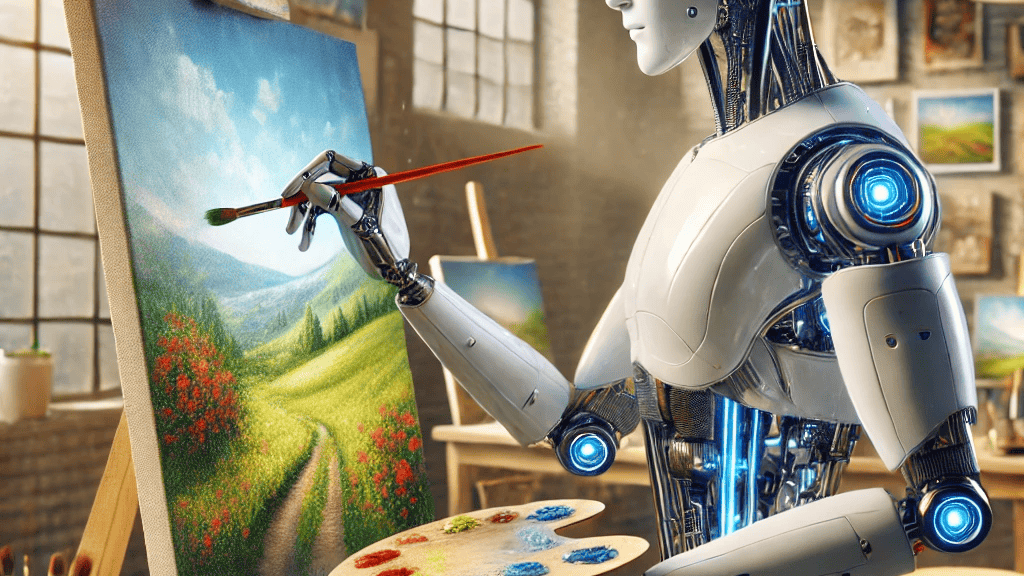
Generative AI has revolutionized digital art, offering new tools that can produce stunning visuals in seconds. However, its rise has also sparked intense debates about ethics, originality, and the future of human artists. At the heart of the controversy lies the question of how AI learns to create, and whether this process is fundamentally different from how humans develop artistic skills.

AI Training vs. Human Inspiration: Where Do We Draw the Line?

Most generative AI models are trained on massive datasets, scraping publicly available images to learn patterns, styles, and composition. Critics argue that these datasets are often used without explicit permission from the artists whose work is included. Yet, if we step back, we see that this is not entirely different from how human artists learn. Every painter, illustrator, or designer studies past masters, absorbs their influences, and refines their craft through imitation and experimentation.

The key difference, however, is scale and accessibility. A human artist might take years to refine their skills, while AI can generate thousands of images in mere seconds. This ease of use allows even those without formal artistic training to create polished images, effectively lowering the barrier to entry. While this democratization of art can be seen as a positive, it also poses a significant threat to professional graphic artists who have spent years mastering their craft.

The Dangers of Industrial-Scale AI Art

The ability of AI to mass-produce images at an industrial level is one of its most disruptive aspects. Companies and individuals looking for quick, cheap alternatives may opt for AI-generated art over hiring human artists. This threatens careers, undercuts fair wages, and devalues the human touch in art. In an industry already struggling with issues of undervaluation, generative AI exacerbates these challenges, forcing artists to compete against algorithms that never tire and never demand compensation.

Beyond economic concerns, there is also the risk of homogenization. AI lacks true creativity and originality, it can remix existing styles but cannot innovate in the way a human can. Artists bring unique perspectives, emotions, and personal experiences to their work, something no machine can replicate. The best AI can do is generate something that “looks” creative without truly being creative.

AI as a Tool, Not a Replacement

Despite these concerns, generative AI is not inherently evil. Like any tool, its impact depends on how it is used. Many artists have already begun integrating AI into their workflows, using it for brainstorming, rapid prototyping, or enhancing their existing work rather than replacing their own creativity. In this way, AI can be seen as an extension of artistic tools rather than a competitor.

The key moving forward will be ethical implementation. Clearer regulations on how training data is sourced, greater transparency from AI companies, and tools that allow artists to opt out of having their work used for AI training are all necessary steps. At the same time, artists must continue to push the boundaries of human creativity because at the end of the day, no AI can replicate the soul of a true artist.

Conclusion

Generative AI is a powerful tool with undeniable benefits, but it also poses serious risks to traditional artists. While AI learns in a manner similar to human artists, the difference lies in scale, accessibility, and automation. The future of art will not be determined by whether AI exists but by how we choose to use it. If handled responsibly, AI can serve as a valuable ally rather than a destructive force but only if we respect and preserve the irreplaceable creativity of human artists.

What are your thoughts on this? Is AI moving too fast and taking over everything or is it just another powerful tool to make our life easier and us more productive?


DEWATOGEL


DEWATOGEL