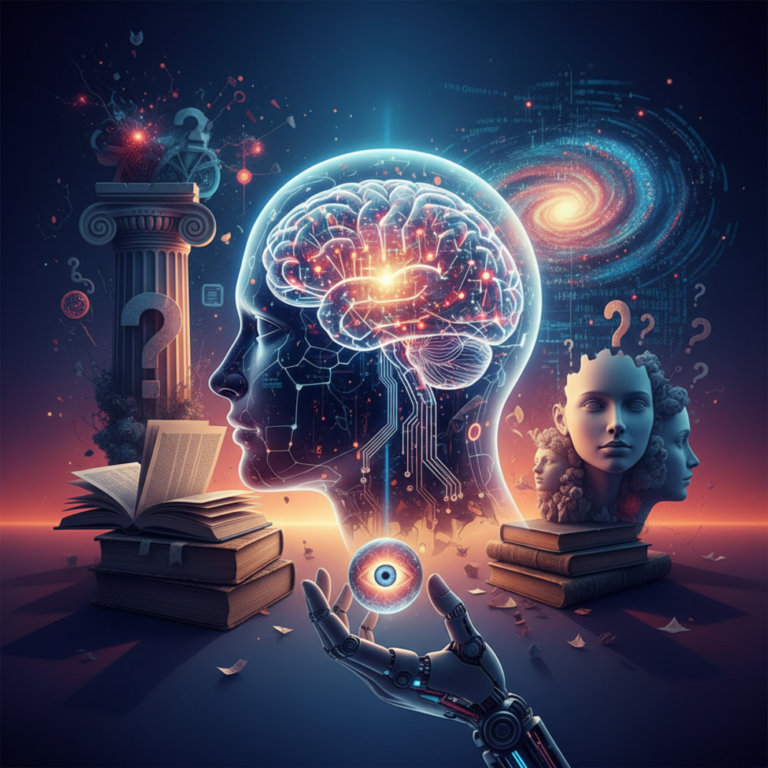

In an age of rapid technological advancement and constant change, the ability to learn how to learn is arguably the most valuable skill a person can possess. While traditional education often emphasizes the memorization of facts or the mastery of specific disciplines, the real edge comes from understanding how to adapt, absorb new knowledge efficiently, and grow from it. So what does it truly mean to learn how to learn, and how can we cultivate this powerful ability?
The Meta-Skill of Lifelong Learning
Learning how to learn is a meta-skill, a skill that supports the acquisition of other skills. It involves not just consuming information, but knowing how to find it, how to process it, how to retain it, and how to apply it. It means understanding your own learning style, recognizing obstacles, and using techniques that optimize comprehension and memory.
This kind of learning is lifelong. It’s what enables a software engineer to pick up a new programming language, an entrepreneur to grasp new markets, or a retiree to learn the piano. The world doesn’t stand still, and neither should we.
Key Principles of Learning to Learn
- Active Learning Beats Passive Learning
Simply reading or listening isn’t enough. Active learning involves engaging with the material, asking questions, summarizing, teaching others, and testing yourself. This engagement helps to create stronger memory traces and deeper understanding.
- Spaced Repetition and Memory Optimization
Revisiting information over increasing intervals (spaced repetition) is one of the most efficient ways to commit it to long-term memory. Apps like Anki use this principle to help people master complex subjects efficiently.
- Interleaving and Contextual Learning
Mixing different topics or problem types (interleaving) during study sessions, instead of focusing on just one, has been shown to improve retention and adaptability. Real-world learning rarely happens in silos, our study habits should reflect that.
- Metacognition: Thinking About Thinking
Being aware of your own understanding and learning processes, knowing what you know and recognizing what you don’t, is a cornerstone of effective learning. This self-awareness helps you adjust your strategies and focus on areas that need attention.
- Growth Mindset and Embracing Failure
Coined by psychologist Carol Dweck, a growth mindset is the belief that abilities can be developed through effort and learning. Mistakes aren’t setbacks, they’re stepping stones. Adopting this mindset transforms challenges into opportunities.
Tools and Techniques
Note-taking Systems: Methods like the Cornell system or Zettelkasten help organize and connect ideas.
Mind Mapping: Visual representations of concepts can enhance memory and foster creativity.
Teaching Others: Explaining what you’ve learned to someone else, often called the Feynman Technique, reveals gaps in understanding and deepens knowledge.
Digital Resources: Platforms like Coursera, edX, and Khan Academy offer structured paths to learn virtually anything.
Adapting in a Changing World
In the modern workforce, adaptability is crucial. Entire industries are being reshaped by automation and AI, and the most in-demand jobs tomorrow may not exist today. Those who thrive are not those who know the most, but those who learn the fastest.
This applies not just to careers, but to life in general. Whether you’re switching roles, learning a new language, exploring a hobby, or recovering from setbacks, learning to learn empowers you to take control of your growth.
About The Author