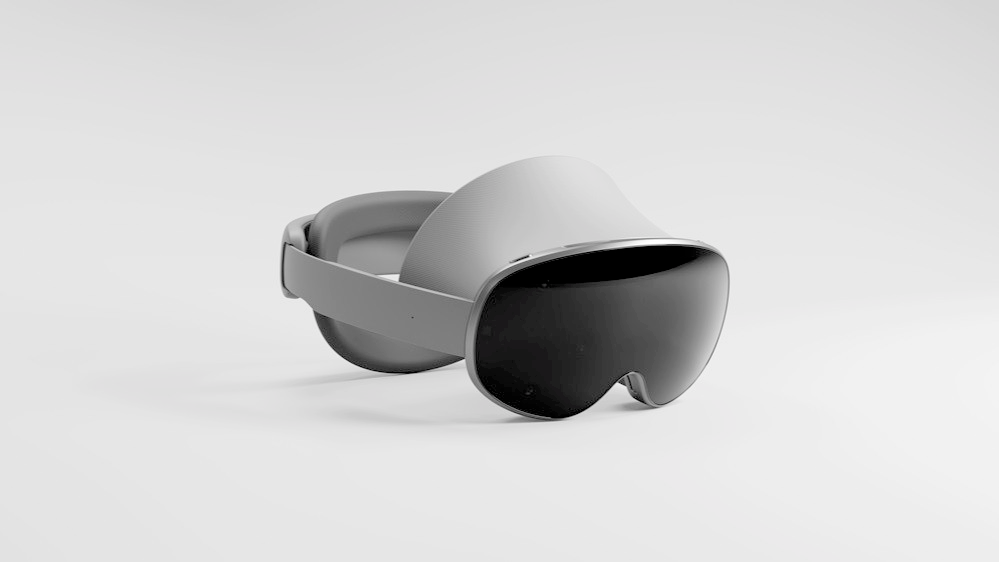
Google’s recent unveiling of Android XR marks a significant advancement in the realm of extended reality (XR), blending artificial intelligence (AI) with immersive technologies to redefine user experiences. Developed in collaboration with Samsung and Qualcomm, Android XR is poised to power a new generation of headsets and smart glasses, with Samsung’s Project Moohan leading the charge.
Android XR is Google’s dedicated operating system for XR devices, encompassing virtual reality (VR), augmented reality (AR), and mixed reality (MR) applications. This platform builds upon the robust foundation of Android, ensuring compatibility with a vast ecosystem of apps and services. By supporting tools like ARCore, Android Studio, Jetpack Compose, Unity, and OpenXR, Android XR enables developers to create immersive experiences with relative ease.
A standout feature of Android XR is its seamless integration with existing Android applications. Users can access a wide array of apps through the Google Play Store, offering a ready-made ecosystem for early adopters. This approach addresses a common challenge in XR adoption by providing immediate value and familiarity to users.
In partnership with Google, Samsung is set to launch Project Moohan, a mixed-reality headset that showcases the capabilities of Android XR. Scheduled for release in 2025, Project Moohan aims to offer immersive experiences that cater to both VR and AR applications. The headset is designed to be lightweight and comfortable, featuring an optional light seal to allow users to control the extent of immersion.
Project Moohan exemplifies the collaborative efforts between Google and Samsung to deliver a versatile and user-friendly XR device. By leveraging Android XR, the headset promises compatibility with a broad range of applications, from immersive gaming to productivity tools, thereby catering to diverse user needs.
At the heart of Android XR lies Gemini, Google’s advanced AI assistant designed to enrich user interactions within XR environments. Gemini offers contextual assistance, enabling natural and conversational interactions between users and their devices. For instance, users can control their XR devices through voice commands, access real-time information, and receive guidance on tasks—all within an immersive setting.
Gemini’s integration into Android XR devices like Project Moohan enhances the overall user experience by providing intuitive control and personalized assistance. This fusion of AI and XR opens up new possibilities for applications across various sectors, including education, healthcare, and entertainment.
The convergence of Android XR and Gemini AI paves the way for a multitude of applications:
- Immersive Education: Students can engage with interactive 3D models and virtual classrooms, facilitated by AI-driven tutoring systems.
- Remote Collaboration: Professionals can collaborate in virtual workspaces, with AI assisting in data analysis and task management.
- Healthcare Training: Medical practitioners can simulate surgeries and diagnostic procedures in a risk-free virtual environment, guided by AI insights.
As Android XR continues to evolve, the integration of AI through Gemini is expected to drive innovation, making XR technologies more accessible and functional for a broader audience. This synergy between AI and XR signifies a transformative step toward more immersive and intelligent digital experiences.
About The Author