
Skip to content

Karios

Tech news

Support me 1

Gaming History Podcast (GR)

  • Gaming History – Επεισόδιο 26 – Psygnosis
  • Gaming History – Επεισόδιο 25 – Doom
Primary Menu
  • Home
  • Books
  • Shop
    • Browse Shop
    • Cart
    • Checkout
    • Orders
    • Account details
    • Lost password
  • Articles
    • All Articles
    • Games
    • DIY
    • Retro
  • Gaming History Podcast (GR)
  • Contact me
  • News

This study looks at how and with whom connected cars share your data

admin Posted on 4 hours ago 2 minutes read
This study looks at how and with whom connected cars share your data

​Between the cars and their companion apps, you’re exposed to a lot of trackers. 

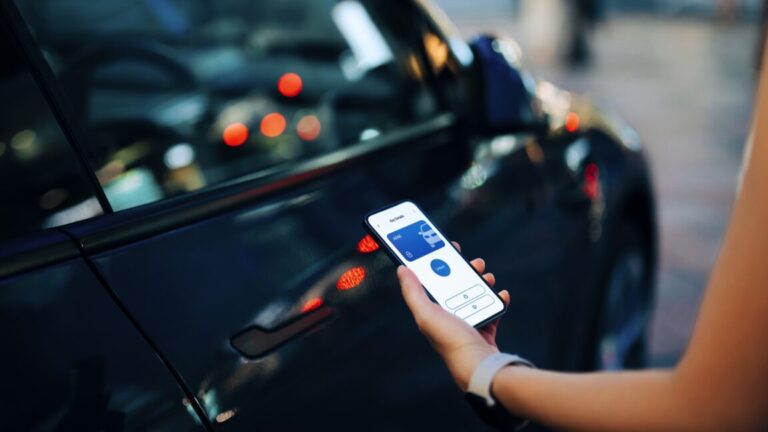
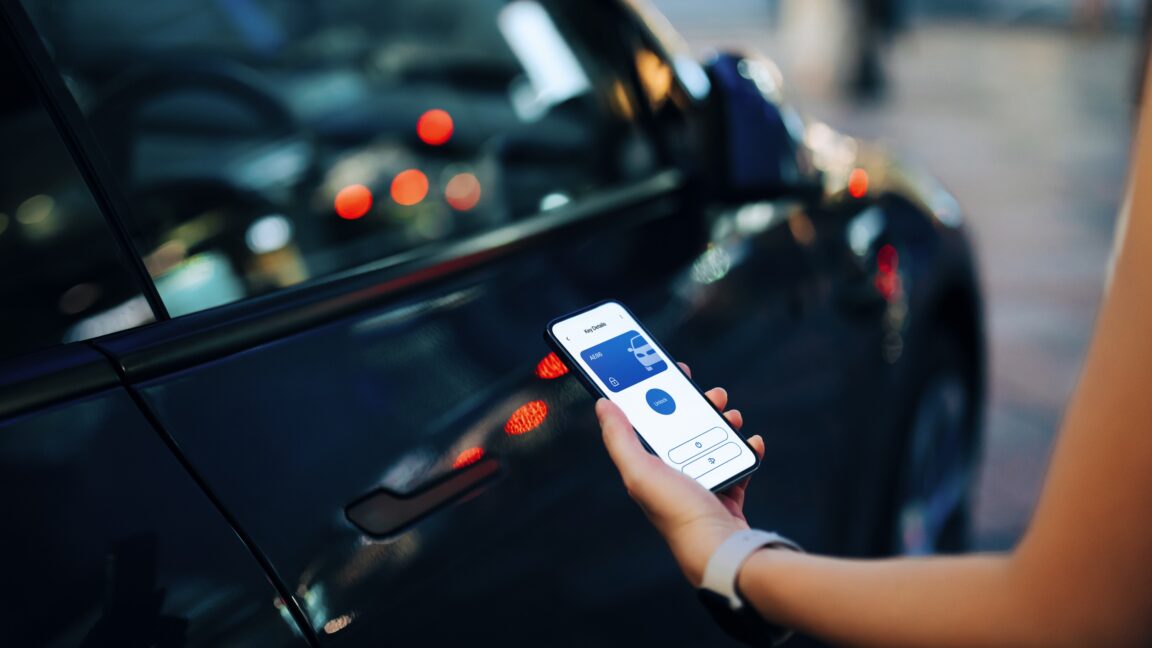
In news that should surprise very few, connected cars remain a complete privacy nightmare. But now we have a better idea of what data those cars are giving away, and to whom, thanks to a study conducted by a team of researchers at Northeastern University and Consumer Reports. Testing 21 cars from 19 different brands revealed patterns of traffic to advertisers and trackers, as well as data shared with Big Tech firms like Microsoft and Adobe. And using a car’s companion app can multiply the problem, their testing found.

In 2023, the Mozilla Foundation published a widely covered report looking at the privacy policies of more than two dozen automakers. They were appalled, writing that “cars are the worst product category we have ever reviewed for privacy.” But that analysis was conducted by sitting down and reading all the various privacy policies of each brand; today’s study involved measuring traffic from actual cars under a number of scenarios, including idling and being driven. The researchers even parked 11 cars—just the electric ones—in a Faraday tent to see if the loss of a cellular signal would push that traffic to the car’s Wi-Fi connection instead.

Attempts to actually see what was in the data packets using modified certificates failed in every case. But “the network traces still yielded valuable information, including the domains contacted via DNS traffic, Server Name Indication (SNI) in TLS handshakes, the volume and timing of transmissions, and differences in behavior across experimental scenarios,” they found.

Read full article

Comments

 Ars Technica – All content Read More

About The Author

admin

See author's posts

Post navigation

Previous: Less protein for maggots means longer lives for fruit flies
Next: Apple worked with Trump admin to remove ICE-tracking apps, lawmaker says

Related

Apple worked with Trump admin to remove ICE-tracking apps, lawmaker says
  • News

Apple worked with Trump admin to remove ICE-tracking apps, lawmaker says

admin Posted on 2 hours ago
Less protein for maggots means longer lives for fruit flies
  • News

Less protein for maggots means longer lives for fruit flies

admin Posted on 5 hours ago
OpenAI says planned GPT-6.1 is too insecure to release
  • News

OpenAI says planned GPT-6.1 is too insecure to release

admin Posted on 5 hours ago

Listen on Apple Music

You may have missed

Apple worked with Trump admin to remove ICE-tracking apps, lawmaker says
  • News

Apple worked with Trump admin to remove ICE-tracking apps, lawmaker says

admin Posted on 2 hours ago
This study looks at how and with whom connected cars share your data
  • News

This study looks at how and with whom connected cars share your data

admin Posted on 4 hours ago
Less protein for maggots means longer lives for fruit flies
  • News

Less protein for maggots means longer lives for fruit flies

admin Posted on 5 hours ago
OpenAI says planned GPT-6.1 is too insecure to release
  • News

OpenAI says planned GPT-6.1 is too insecure to release

admin Posted on 5 hours ago

If you are located in Europe, you can buy my new sci-fi fantasy book “Ground Zero” directly from me for a better price than Amazon.