
Skip to content

Karios

Tech news

Support me 1

Gaming History Podcast (GR)

  • Gaming History – Επεισόδιο 22 – 3037/2002
  • Gaming History – Επεισοδιο 21 – Playstation 1
Primary Menu
  • Home
  • Books
  • Articles
  • Games
  • DIY
  • Retro
  • Gaming History Podcast (GR)
  • Contact me
  • News

SpaceX’s orbital data centers would create a new category of e-waste

admin Posted on 5 hours ago 2 minutes read
SpaceX’s orbital data centers would create a new category of e-waste

​The yeetcycling math resembles asteroid mining in reverse. 

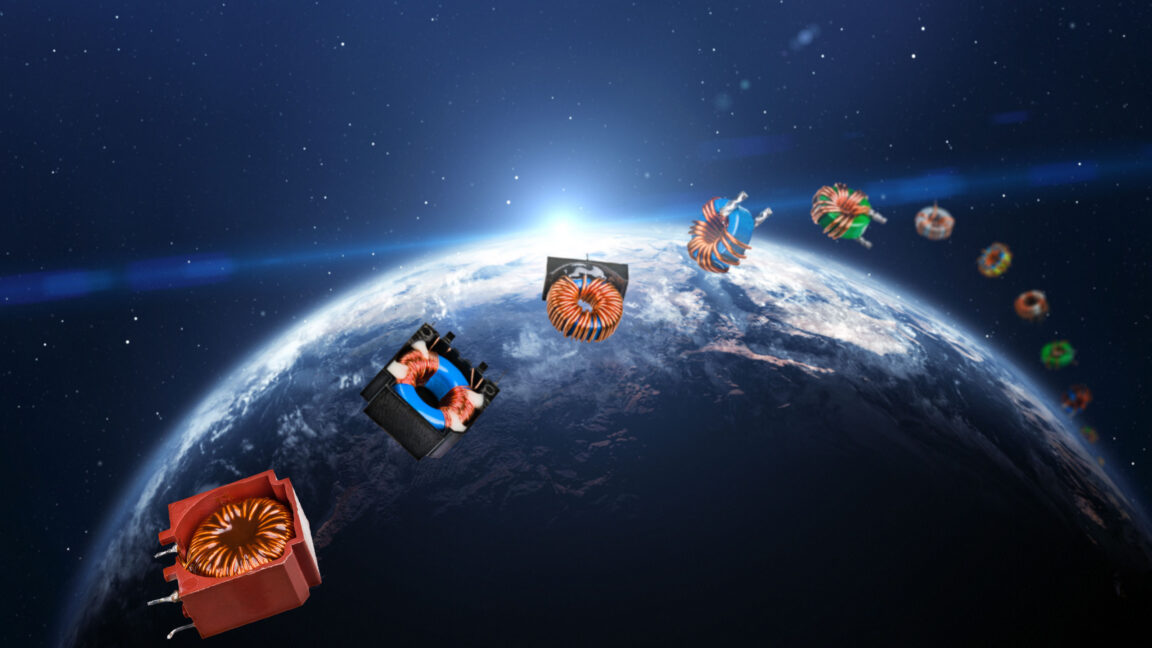
Elon Musk’s talk about maintaining a million-strong AI data center satellite megaconstellation may not exactly be practical or economical, but it might be unique. It’s about the closest we’ve come to confronting a scheme that would export a considerable amount of valuable materials into space. Humans aren’t doing a great job of material sustainability, but normally we’re talking about stuff escaping a recycling pipeline rather than escaping Earth’s gravitational pull.

The commercial space sector likes talking about the allure of mining asteroids for precious metals to bring back to Earth. Under what circumstances are we going to be willing to do that in reverse? Starlink alone has doubled the mass of objects in low-Earth orbit, and this orbital data center constellation would dwarf that—and dispose of at least some satellites by pushing them away from Earth.

Given the roughly five-year expected lifetime for data center GPUs, about 200,000 of the 1 million proposed SpaceX AI1 satellites would be decommissioned each year. Based on their May 29 FCC filing, about 40,000 would definitely deorbit and burn up in the atmosphere. (Those materials would largely be dispersed throughout the atmosphere, turning a resource into a diffuse contaminant that slowly settles over the globe. One related issue: the aluminum would cause an unknown amount of ozone depletion over a period of decades.) Some or all of the remaining 160,000 satellites would be moved outward into a distant “disposal” orbit, instead. Either way, they’re lost from a “material life cycle” point of view.

Read full article

Comments

 Ars Technica – All content Read More

About The Author

admin

See author's posts

Post navigation

Previous: How to Quiz Yourself With ChatGPT and Check the Answers
Next: Genesis joins the giant electric SUV club with new GV90

Related

Genesis joins the giant electric SUV club with new GV90
  • News

Genesis joins the giant electric SUV club with new GV90

admin Posted on 5 hours ago
technews
  • News

How to Quiz Yourself With ChatGPT and Check the Answers

admin Posted on 6 hours ago
Reverse-lookup service exposed millions of photos of people’s faces
  • News

Reverse-lookup service exposed millions of photos of people’s faces

admin Posted on 6 hours ago

Listen on Apple Music

You may have missed

Genesis joins the giant electric SUV club with new GV90
  • News

Genesis joins the giant electric SUV club with new GV90

admin Posted on 5 hours ago
SpaceX’s orbital data centers would create a new category of e-waste
  • News

SpaceX’s orbital data centers would create a new category of e-waste

admin Posted on 5 hours ago
technews
  • News

How to Quiz Yourself With ChatGPT and Check the Answers

admin Posted on 6 hours ago
Reverse-lookup service exposed millions of photos of people’s faces
  • News

Reverse-lookup service exposed millions of photos of people’s faces

admin Posted on 6 hours ago