
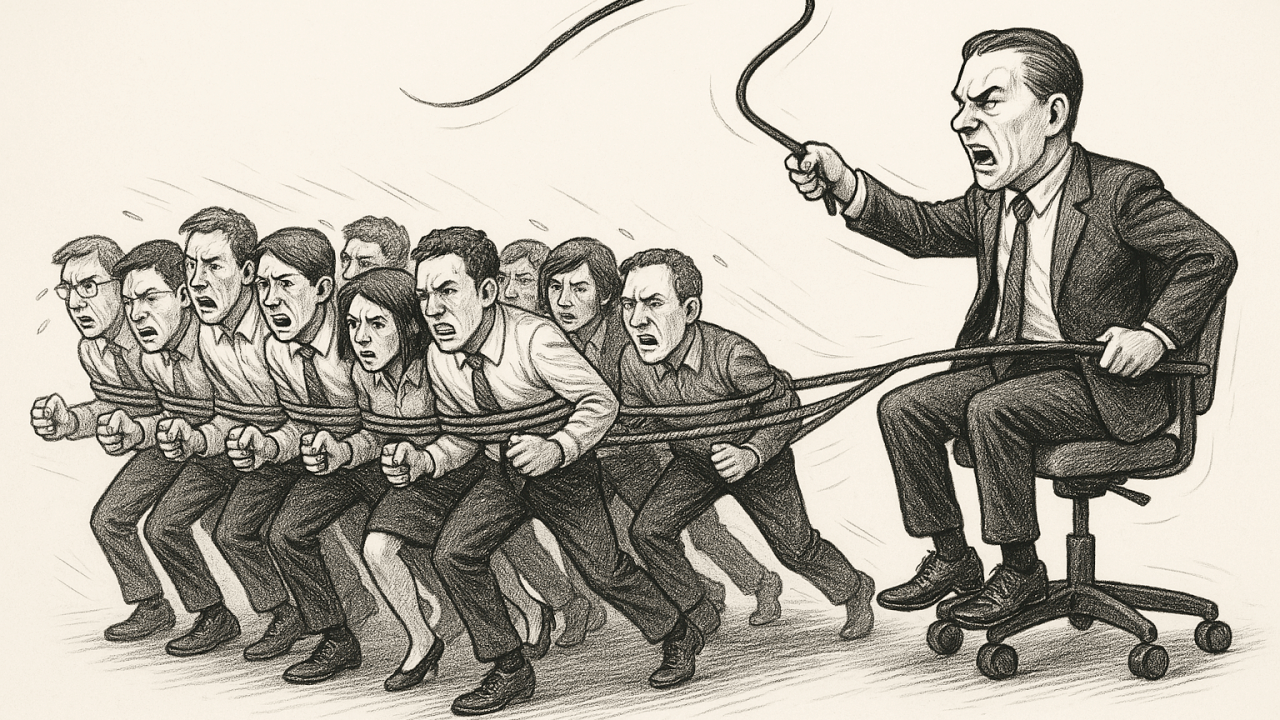
Being a leader instead of a boss builds trust, fosters innovation, and creates a resilient, motivated team. While bosses may get tasks done, leaders build teams that want to go the extra mile-teams that grow, adapt, and succeed together.
In today’s ever-evolving workplace, we don’t just need bosses who give orders. We need leaders who bring out the best in people.
In the workplace, the titles “leader” and “boss” are often used interchangeably. Yet, they represent two very different approaches to guiding others. Understanding the distinction can mean the difference between inspiring excellence and merely enforcing compliance.
1. Influence vs. Authority
A boss relies on authority. Their position gives them power, and they use that power to direct others. The boss says, “Do this,” and expects it to be done.
A leader, on the other hand, relies on influence. People follow leaders not because they have to, but because they want to. A leader says, “Let’s do this together,” and motivates others through vision, trust, and respect.
2. Command vs. Collaboration
Bosses often operate in a top-down structure. They give instructions and expect results. Their focus is on control and execution.
Leaders foster collaboration. They listen, ask for input, and value the ideas of their team. Leaders build a shared sense of purpose and encourage others to contribute in meaningful ways.
3. Fear vs. Inspiration
A boss might use fear—fear of consequences, criticism, or failure—as a management tool. This may achieve short-term compliance, but rarely long-term loyalty or innovation.
A leader inspires. They create an environment where people feel safe to take risks, be creative, and grow. A leader’s presence uplifts rather than intimidates.
4. Blame vs. Accountability
When things go wrong, a boss might look for someone to blame. Protecting their position becomes the priority.
A leader takes responsibility. They own mistakes, learn from them, and help others grow through the experience. They hold themselves and others accountable in a constructive way.
5. Process vs. People
Bosses often focus on systems, metrics, and outputs—important aspects of any organization. But in doing so, they may lose sight of the people behind the work.
Leaders prioritize people. They understand that empowered, engaged individuals drive the best outcomes. They invest in development, celebrate successes, and lead with empathy.
About The Author