

Skip to content

Karios

Tech news

Support me 1

Gaming History Podcast (GR)

  • Gaming History – Επεισόδιο 29 – Sierra On-Line
Primary Menu
  • Home
  • Books
  • Shop
    • Browse Shop
    • Cart
    • Checkout
    • Orders
    • Account details
    • Lost password
  • Articles
    • All Articles
    • Games
    • DIY
    • Retro
  • Gaming History Podcast (GR)
  • Contact me
  • News

Microsoft open-sources “the earliest DOS source code discovered to date”

admin Posted on 6 months ago 2 minutes read
Microsoft open-sources "the earliest DOS source code discovered to date"

​Old 86-DOS source code dates back to the time before Microsoft bought it. 

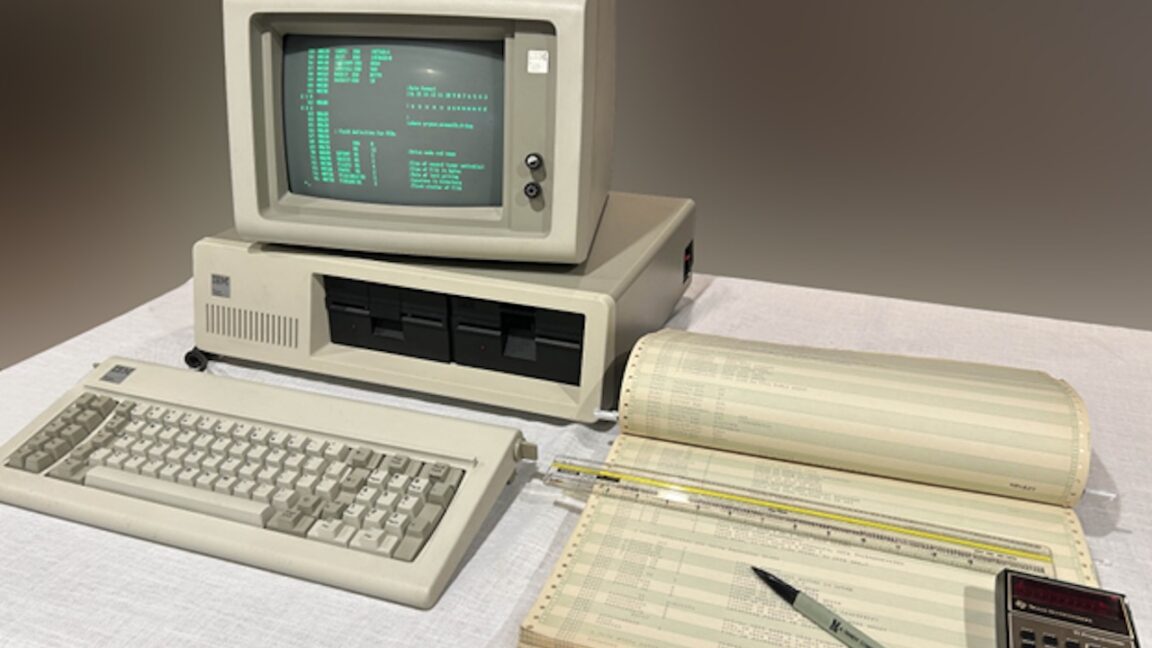
Several times in the last couple of decades, Microsoft has released source code for the original MS-DOS operating system that kicked off its decades-long dominance of consumer PCs. This week, the company has reached further back than ever, releasing “the earliest DOS source code discovered to date” along with other documentation and notes from its developer.

Today’s source release is so old that it predates the MS-DOS branding, and it includes “sources to the 86-DOS 1.00 kernel, several development snapshots of the PC-DOS 1.00 kernel, and some well-known utilities such as CHKDSK,” write Microsoft’s Stacey Haffner and Scott Hanselman in their co-authored post about the release.

To understand the context, here’s a very brief history of what would become MS-DOS: Programmer Tim Paterson originally created 86-DOS (previously known as QDOS, for “quick and dirty operating system”) for an Intel 8086-based computer kit sold by Seattle Computer Products. Microsoft, on the hook to provide an operating system for the still-in-development IBM PC 5150, licensed 86-DOS and hired Paterson to continue developing it, later buying the rights to 86-DOS outright. Microsoft then licensed this operating system to IBM as PC-DOS while retaining the ability to sell the operating system to other companies. The version sold by Microsoft was called MS-DOS, and the proliferation of third-party IBM PC clones over the ’80s and ’90s made it the version of the operating system that most people ended up using.

Read full article

Comments

 Ars Technica – All content Read More

About The Author

admin

See author's posts

Post navigation

Previous: More than half of all Polymarket “long shot” bets on military action pay off
Next: In motorsport, there’s nowhere to hide as AI becomes new CFD tool

Related

Buckle up for more body-swapping hijinks in Jumanji: Open World trailer
  • News

Buckle up for more body-swapping hijinks in Jumanji: Open World trailer

admin Posted on 22 hours ago
technews
  • News

Apple Creator Studio to Add AI Assistants to Pages, Numbers, and Keynote

admin Posted on 22 hours ago
technews
  • News

AI Data Centers Are Straining Power Grids. New Rules Aim to Reduce the Risk

admin Posted on 22 hours ago

Listen on Apple Music

You may have missed

Buckle up for more body-swapping hijinks in Jumanji: Open World trailer
  • News

Buckle up for more body-swapping hijinks in Jumanji: Open World trailer

admin Posted on 22 hours ago
technews
  • News

Apple Creator Studio to Add AI Assistants to Pages, Numbers, and Keynote

admin Posted on 22 hours ago
technews
  • News

AI Data Centers Are Straining Power Grids. New Rules Aim to Reduce the Risk

admin Posted on 22 hours ago
technews
  • News

New Glucose Monitor Enters Human Testing: No Skin-Worn Device Needed

admin Posted on 22 hours ago

If you are located in Europe, you can buy my new sci-fi fantasy book “Ground Zero” directly from me for a better price than Amazon.