

Skip to content

Karios

Tech news

Support me 1

Gaming History Podcast (GR)

  • Gaming History – Επεισόδιο 29 – Sierra On-Line
Primary Menu
  • Home
  • Books
  • Shop
    • Browse Shop
    • Cart
    • Checkout
    • Orders
    • Account details
    • Lost password
  • Articles
    • All Articles
    • Games
    • DIY
    • Retro
  • Gaming History Podcast (GR)
  • Contact me
  • News

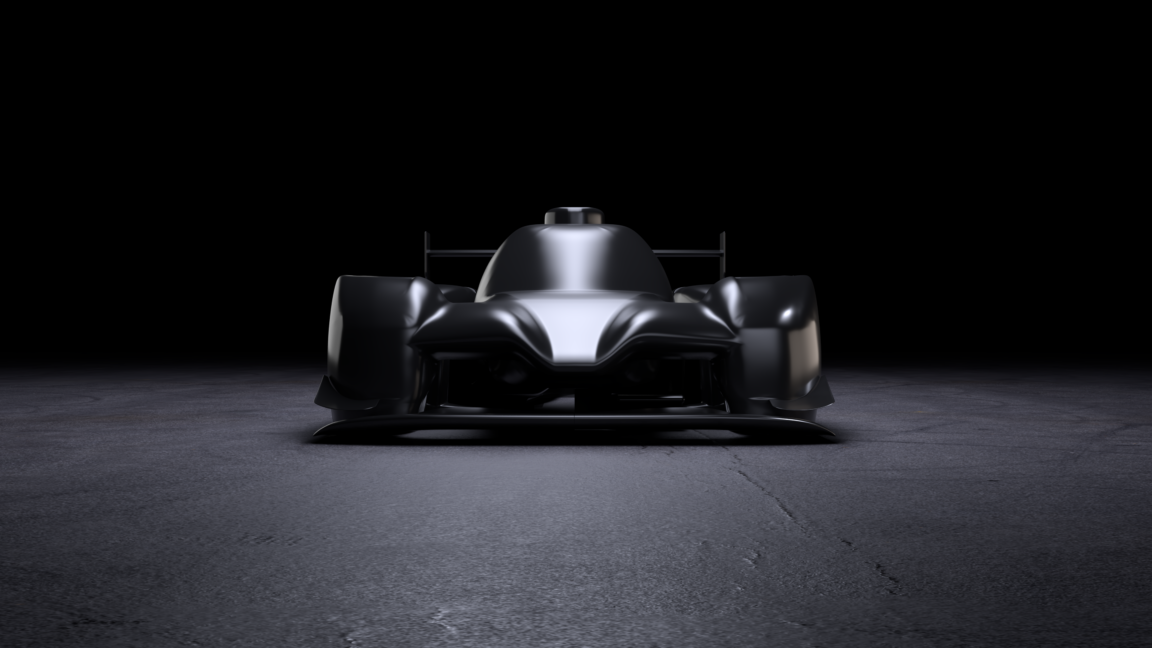
In motorsport, there’s nowhere to hide as AI becomes new CFD tool

admin Posted on 6 months ago 2 minutes read
In motorsport, there's nowhere to hide as AI becomes new CFD tool

​AI finds value in motorsport, multiplying limited computational fluid dynamics resources. 

Since the introduction of wings to racing cars halfway through the 1960s, airflow has been everything in racing. Until that point, the focus was on making a car as slippery as possible; less drag meant more top speed on the straights. Then designers like Jim Hall at Chaparral and Colin Chapman at Lotus realized they could use the air to push the car onto the track, increasing grip and allowing it to go faster through the corners. Things haven’t been the same since.

Finding aerodynamic downforce started as something of a dark art. The use of wind tunnels to simulate its effect on scale models of cars was in its infancy, so teams were mostly limited to expensive and sometimes dangerous track testing. But wind tunnels can run day and night, rain or shine, and you can’t crash a car or injure a driver (or worse) in the process. Wind tunnel work became even more important when F1 began restricting on-track testing to help teams cut budgets. Consequently, teams would do as much work with models as possible before validating the results during the limited test sessions they were allowed.

Computational fluid dynamics (CFD) simulation came next. In racing, everyone is looking for an advantage over their competitors, and it was finally possible to model, with some fidelity, the effect of airflow on a virtual model of a car. Not only were CFD sims cheaper than wind tunnel time, but they were also much faster at iterating. Early design work is now done in silico before being validated with scale models in a wind tunnel, as most series—including Formula 1, the World Endurance Championship, Formula E, and NASCAR—have tightly restricted on-track testing.

Read full article

Comments

 Ars Technica – All content Read More

About The Author

admin

See author's posts

Post navigation

Previous: Microsoft open-sources “the earliest DOS source code discovered to date”
Next: RFK Jr. appeals ruling that wiped out his vaccine advisory panel

Related

Buckle up for more body-swapping hijinks in Jumanji: Open World trailer
  • News

Buckle up for more body-swapping hijinks in Jumanji: Open World trailer

admin Posted on 20 hours ago
technews
  • News

Apple Creator Studio to Add AI Assistants to Pages, Numbers, and Keynote

admin Posted on 20 hours ago
technews
  • News

AI Data Centers Are Straining Power Grids. New Rules Aim to Reduce the Risk

admin Posted on 21 hours ago

Listen on Apple Music

You may have missed

Buckle up for more body-swapping hijinks in Jumanji: Open World trailer
  • News

Buckle up for more body-swapping hijinks in Jumanji: Open World trailer

admin Posted on 20 hours ago
technews
  • News

Apple Creator Studio to Add AI Assistants to Pages, Numbers, and Keynote

admin Posted on 20 hours ago
technews
  • News

AI Data Centers Are Straining Power Grids. New Rules Aim to Reduce the Risk

admin Posted on 21 hours ago
technews
  • News

New Glucose Monitor Enters Human Testing: No Skin-Worn Device Needed

admin Posted on 21 hours ago

If you are located in Europe, you can buy my new sci-fi fantasy book “Ground Zero” directly from me for a better price than Amazon.